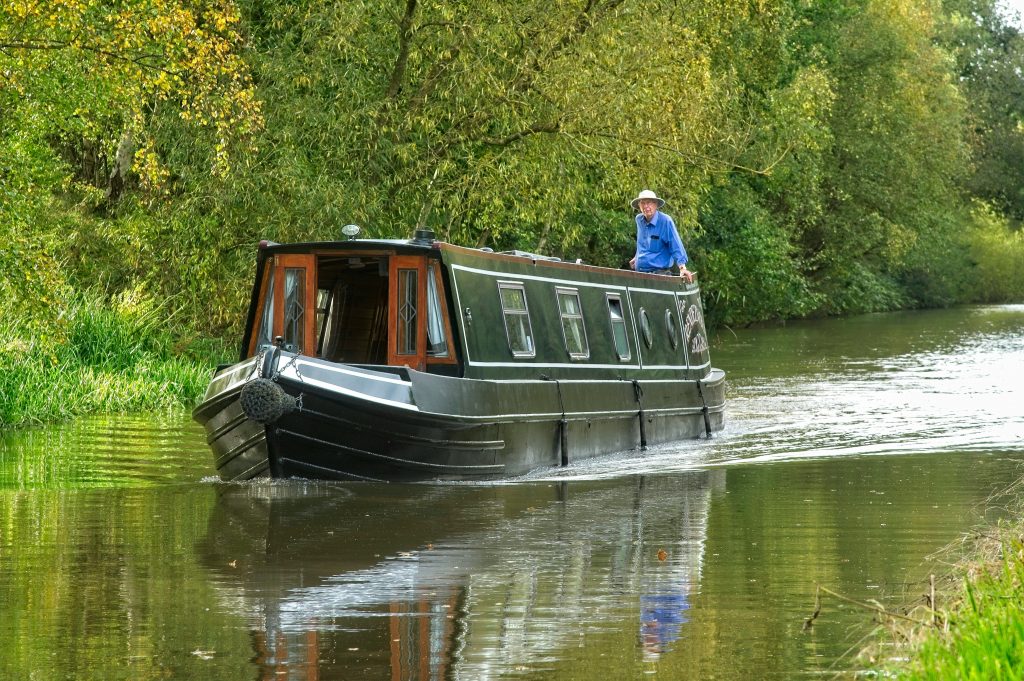
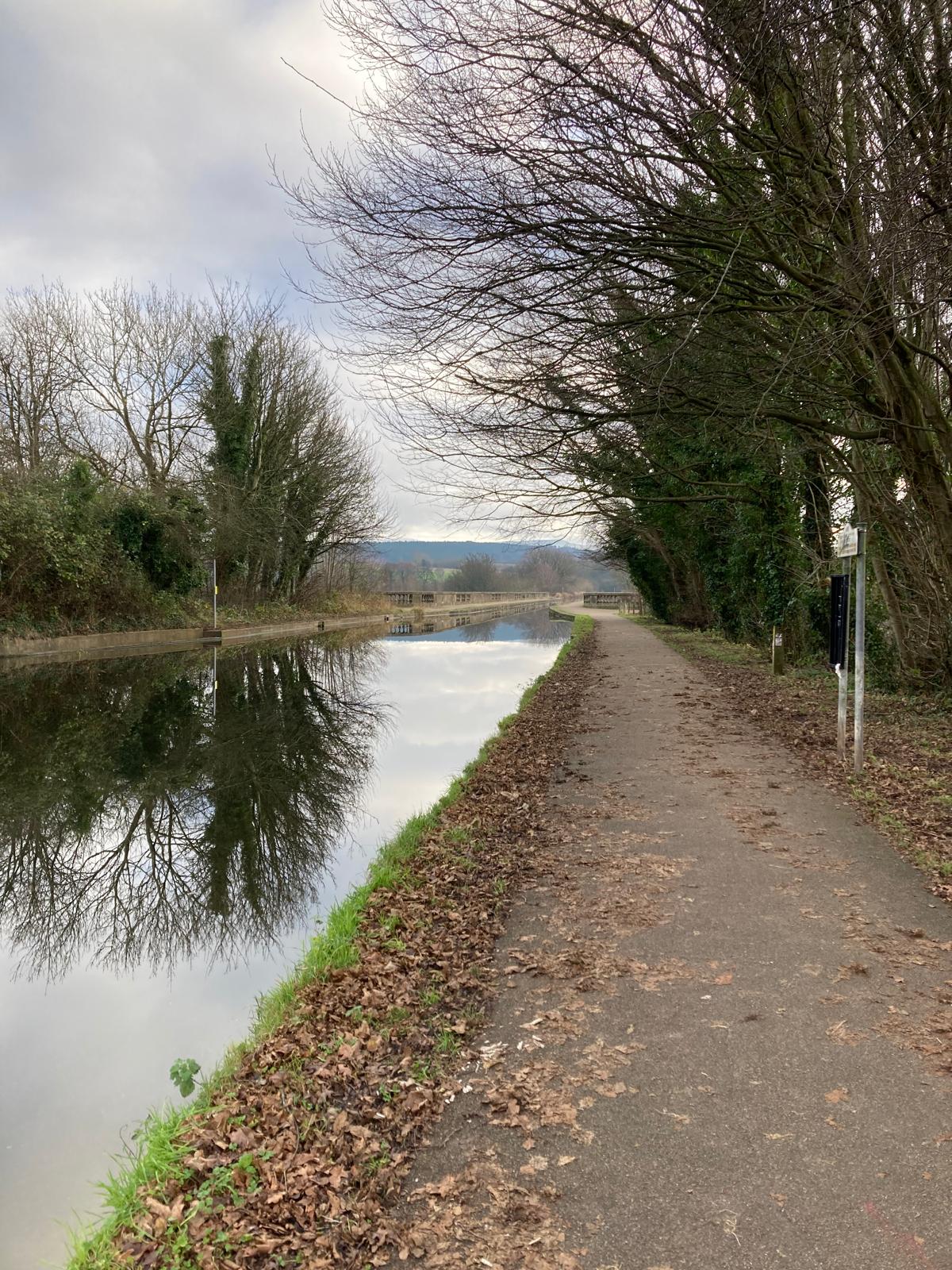
Moving your boat for the first time is an exciting milestone. It’s the moment when your floating home truly comes to life. But on the Lancaster Canal, as on all waterways, there are important rules, unspoken etiquette, and local challenges that new boaters need to understand before casting off.
Understanding your movement obligations
If your boat is licensed as a continuous cruiser, you are required to make a genuine progressive journey. This means regularly moving your boat along the canal network, not shuttling back and forth between a small number of places.
On the Lancaster Canal — a relatively short and isolated waterway — this can be more challenging than on larger connected routes. It’s important to plan your movements carefully, keeping track of how far and how often you travel. Even boaters on long-term moorings should be aware of any local restrictions on how long you can stay in certain places.
Always check signage at mooring points and observe time limits. These rules exist to ensure fair access to popular areas and to keep the canal running smoothly for everyone. See our article on recording your boats movement for more info.
Know the local speed and safety rules
The Lancaster Canal is unspoilt and often peaceful, but that doesn’t mean speed control isn’t necessary. Maximum speeds vary by area, but the general rule is simple: slow down and create as little wake as possible. If your wake is rippling against banks or rocking moored boats, you are going too fast.
Slow down further when passing:
- Moored boats
- Anglers
- Canoeists and paddleboarders
- Wildlife, especially nesting birds
Always keep to the right-hand side of the canal and approach bridges and turns with caution, using your horn if visibility is limited.
Mastering the basics of boat handling
You don’t need to be an expert immediately, but learning a few core skills will make your journeys smoother and safer:
- Starting and stopping: Practise gentle throttle control and understand how your boat responds.
- Steering: Narrowboats respond slowly – anticipate turns in advance.
- Reverse gear: Reversing is tricky even for experienced boaters. Practise it in a wide, clear area before you really need it.
If possible, take a short handling course or go out with an experienced boater for your first few journeys.
Challenges unique to the Lancaster Canal
While the Lancaster Canal is beautiful and lock-free, it brings its own set of challenges for new boaters:
Shallow edges and soft banks
The canal can be surprisingly shallow near the edges. This increases the risk of grounding if you drift too close to the sides. Always aim to stay in the centre channel where the water is deeper.
Overhanging trees and vegetation
In summer months especially, overgrowth can restrict your view and your path. Slow down through narrower sections and be prepared to have to carefully manoeuvre around fallen branches or partially submerged debris.
Limited winding points and turning locations
The Lancaster Canal has fewer winding holes (turning points) than many other canals. Planning your direction and turnaround points is essential. Don’t assume you can simply turn around wherever you fancy.
Weather exposure
Long, straight, open pounds make the canal particularly exposed to wind. Even a moderate breeze can push your boat off course. Slower speeds, earlier corrections, and patience are the keys to safe handling.
Mooring rules and good etiquette
When stopping for the day (or the night), follow these basic rules:
- Use designated visitor moorings when available
- Obey all time restrictions
- Don’t block bridges, water points, or access points
- Use mooring rings or pins securely at a safe angle
- Leave enough space for other boats to moor
Good mooring etiquette helps keep the canal welcoming and accessible for everyone. Check out our article on how to moor considerately, here.
Don’t be afraid to ask for help
Every confident boater was once a beginner. The Lancaster Canal community is friendly and supportive, and most people are happy to lend advice or a steady hand at the bank.
If you’re unsure about a rule, a technique, or a stretch of water, ask. It’s one of the best ways to learn.
Boating on the Lancaster Canal isn’t just transport — it’s a lifestyle. Take your time, respect the water, plan your journeys, and enjoy every mile. The more you move your boat, the more at home you’ll feel at the helm.
Welcome to the Lancaster Canal Boaters Association — and to life afloat.