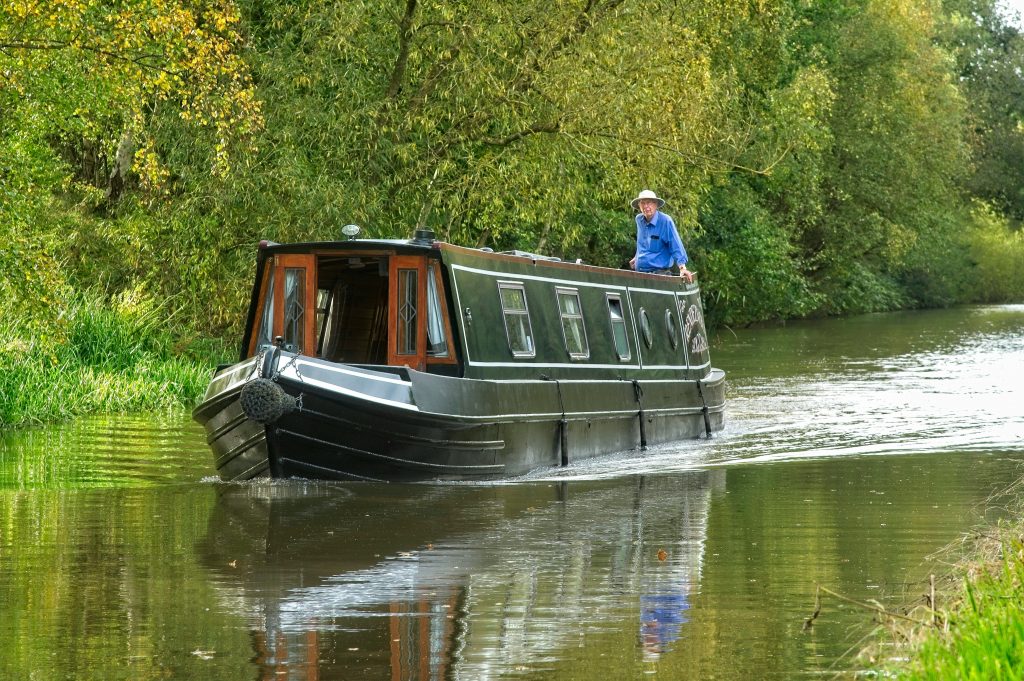
Life on the Lancaster Canal has a unique charm. From peaceful morning mist rising over the water to the friendly nods exchanged between passing boaters and towpath walkers, it’s a lifestyle that draws many of us in. But as any experienced boater will tell you, it also comes with its fair share of challenges. If you’re new to boating, a little preparation and awareness can go a long way.
Just talk to people, it’s the quickest way of finding out how to do things and where to get things
Respect the water, respect the weather
Strong winds, heavy rain, and sudden changes in temperature can all affect how your boat handles. Always check the forecast before setting off and be prepared to adjust your plans. If conditions feel unsafe, it’s often best to wait it out and enjoy a warm drink instead. You are not expected to move in high winds or icy condtions and you should consider, not only your own safety but the safety of other boaters if you choose to move in extreme weather conditions.
Power management is key
One of the most common challenges for new boaters is managing power, particularly in winter. Shorter days mean less solar energy and increased reliance on batteries and generators. Planning your energy use is essential: switch off appliances when not in use, consider upgrading battery capacity if possible, and monitor your charge levels regularly. Consider a generator to help with power needs in the winter and ensure its chained up when running it on the towpath.
Maintain first, cruise later
Regular maintenance can prevent many problems before they start. Simple checks – like inspecting belts and hoses, cleaning filters, or looking out for leaks – can save you from costly and inconvenient breakdowns. It may not be the most glamorous part of boating, but it’s one of the most important.
Creating a basic maintenance routine and sticking to it helps keep your boat, and you, safe on the water.
Master the art of mooring
Practise your approach, take it slow, and don’t be afraid to start again if it doesn’t feel right. Good mooring is about patience, communication with your crew (if you have one), and the right equipment – decent ropes and well-placed fenders can save you a lot of hassle. In wet conditions you should consider using mooring chains rather than pins to ensure that you are securly fastened. If you do use pins, make sure you have a center line attached to your boat so that you can be pulled back in fro mthe towpath if you do come unpinned
Lean on your boating community
One of the greatest strengths of the Lancaster Canal is its community. If you’re unsure about something, ask a neighbouring boater. Most people are more than happy to share advice, tools, or even just a bit of moral support. Being part of the Lancaster Canal Boaters Association means you’re never truly on your own.
From organised events to practical guidance, the Association exists to support, inform, and connect boaters along the canal.
Keep learning, keep adapting
No one ever really “finishes” learning how to boat. Every season brings new experiences and lessons. Stay curious. Attend workshops when they’re available, read up on best practices, and be open to adapting your routines.
The more knowledge you build, the more confident and capable you’ll feel in handling whatever the canal throws your way.