The Lancaster Canal Boaters Association recognises that water levels are a serious concern for people who live on, navigate and operate businesses along the Lancaster Canal.
Low water can leave boats grounded, make navigation difficult or unsafe, restrict access to services and cause damage to vessels. For itinerant boat dwellers, it can also affect their ability to move in accordance with licence requirements. Boaters are therefore entirely entitled to question how water is being managed, report problems and seek clear answers from the Canal & River Trust.
However, the LCBA does not condone abusive language, personal attacks, unsupported accusations or hostile social-media campaigns directed at individual boaters, Canal & River Trust employees, volunteers or other organisations.
Recent posts made in local Facebook groups have prompted us to clarify the association’s position.
Personal posts do not represent the LCBA
Comments made by individuals on Facebook or other social-media platforms do not represent the LCBA unless they have been published through an official LCBA account or authorised by the committee.
The LCBA supports the right of boaters to express frustration and criticise decisions. We do not expect people to remain silent when their boats are grounded or when they believe a water-management problem is not being addressed.
There is, however, an important difference between challenging an organisation and attacking individuals.
The LCBA will not endorse posts that:
- Contain personal insults, threats or abusive language.
- Name or target individual employees or volunteers unfairly.
- Present speculation or rumour as established fact.
- Encourage a social-media pile-on against an individual.
- Dismiss or ridicule other boaters’ experiences.
- Encourage unauthorised interference with sluices, paddles, gates or other canal infrastructure.
Concerns carry considerably more weight when they are supported by dates, photographs, locations, measurements and official reporting references. Anger may generate comments, but evidence is what generates an investigation.
Complaining is not the problem
The LCBA does not object to people complaining about water levels. Complaints are sometimes necessary, particularly when earlier reports appear to have produced no visible response.
What matters is how those concerns are expressed and where they are directed.
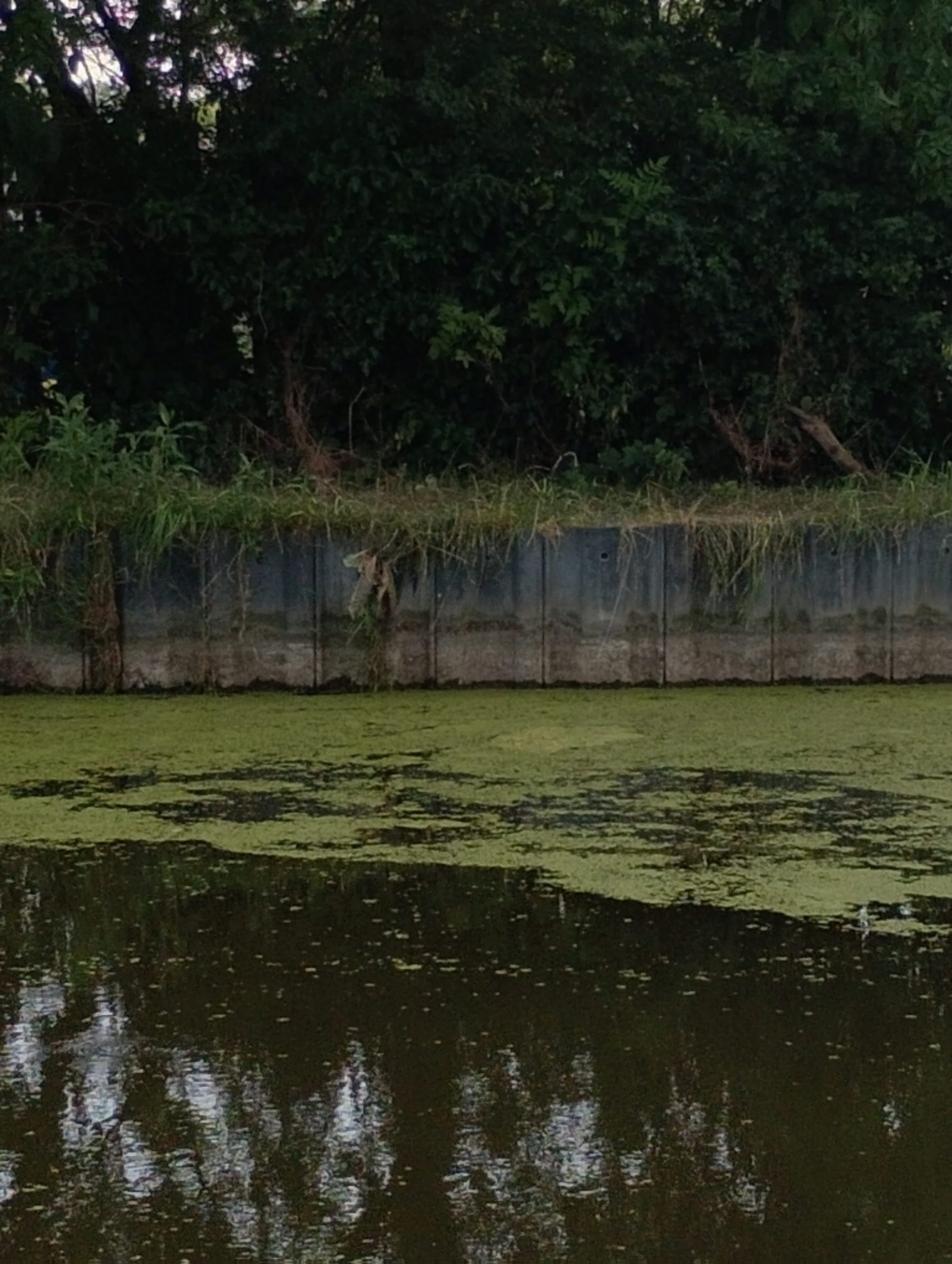
A factual post explaining that a boat has grounded at a particular location, supported by photographs and a report reference, can help alert other canal users. A post containing personal accusations, aggressive language or claims that cannot be substantiated is less likely to achieve a constructive outcome.
It can also distract attention from the original water-level problem.
Boaters should be able to disagree about possible causes without questioning one another’s motives or treating every alternative explanation as an act of disloyalty. Water management is complex, and water levels can be affected by dry weather, leakage, feeder supply, unauthorised operation of equipment, maintenance problems and changing demand.
The current water situation
Following recent hot and dry weather, the Canal & River Trust has asked boaters across its network to conserve water. Although the Trust says its overall water holdings are higher than at the same point last year, it has warned that local levels can still require short periods of rebalancing and has asked people to report levels that appear unusually low.
The LCBA will continue to seek information specifically about the Lancaster Canal. National figures do not necessarily explain the conditions experienced by a boat sitting on the bottom at a particular Lancaster Canal mooring.
Where local water levels are repeatedly low, boaters deserve an explanation of the cause, the work being undertaken and the expected timescale for improvement.
How to report low water properly
Where a boater encounters unusually low water, the LCBA recommends recording:
- The exact location, including the nearest bridge, lock, landmark or What3Words reference.
- The date and time.
- Photographs showing the waterline, canal edge and position of the boat.
- Whether the boat is grounded, listing or unable to move.
- The boat’s approximate draught, where known.
- Any visible leak, damaged bank, open paddle or unusual water movement.
- The names of other affected boats or witnesses, with their permission.
The matter should then be reported to the Canal & River Trust through its normal customer-service channels. Its customer-service standards specifically encourage people to report issues such as low water levels, damage and fly-tipping.
Non-urgent incidents can be reported through the Trust’s online reporting service or by calling 0303 040 4040 during normal office hours. The Trust says its 24-hour urgent number should not ordinarily be used solely to report high or low water, unless the situation has developed into an immediate safety risk.
Where somebody is in immediate danger, call 999.
Boaters should also check the Trust’s notices and stoppages service for any published water-level warnings, restrictions or navigation advice.
Do not attempt to alter water levels yourself
Boaters and members of the public should not attempt to solve a water-level problem by interfering with sluices, gates, paddles or other control equipment unless they are authorised and know that it is safe to do so.
The canal byelaws prohibit operating or leaving a sluice open in a way that wastes water. Incorrectly operating water-control equipment could worsen conditions elsewhere, damage infrastructure or place boats and people at risk.
Suspected unauthorised interference should be reported rather than confronted.
How the LCBA can help
LCBA members may also send the association details of significant or recurring water-level problems. Wherever possible, the report should include the Canal & River Trust reference number, which you can get by asking for it when you call the Canal and River Trust.
This allows the LCBA to:
- Identify repeated problems affecting the same stretch.
- Compare reports from several boaters.
- Distinguish isolated groundings from wider water-level failures.
- Raise evidence collectively with the Canal & River Trust.
- Request explanations, remedial action and progress updates.
- Represent boaters who may not feel confident pursuing the matter alone.
The LCBA cannot control canal water levels or direct the Trust’s operational teams. What it can do is collect credible evidence, ask informed questions and ensure that unresolved problems are not quietly washed downstream.
Constructive challenge, not personal conflict
The LCBA intends to maintain a constructive working relationship with the Canal & River Trust while remaining willing to challenge it where services or waterway conditions fall below an acceptable standard.
Constructive engagement does not mean avoiding criticism. It means making criticism focused, evidenced and difficult to dismiss.
We ask everyone discussing water levels online to remember that frustration is understandable, but personal hostility rarely adds another inch of water to the canal.
Our position is straightforward:
Report the facts. Preserve the evidence. Respect other people. Allow the LCBA to pursue recurring concerns through the appropriate channels.